Insights
WordPress vs Static Sites — How Do You Know Which One You Need?
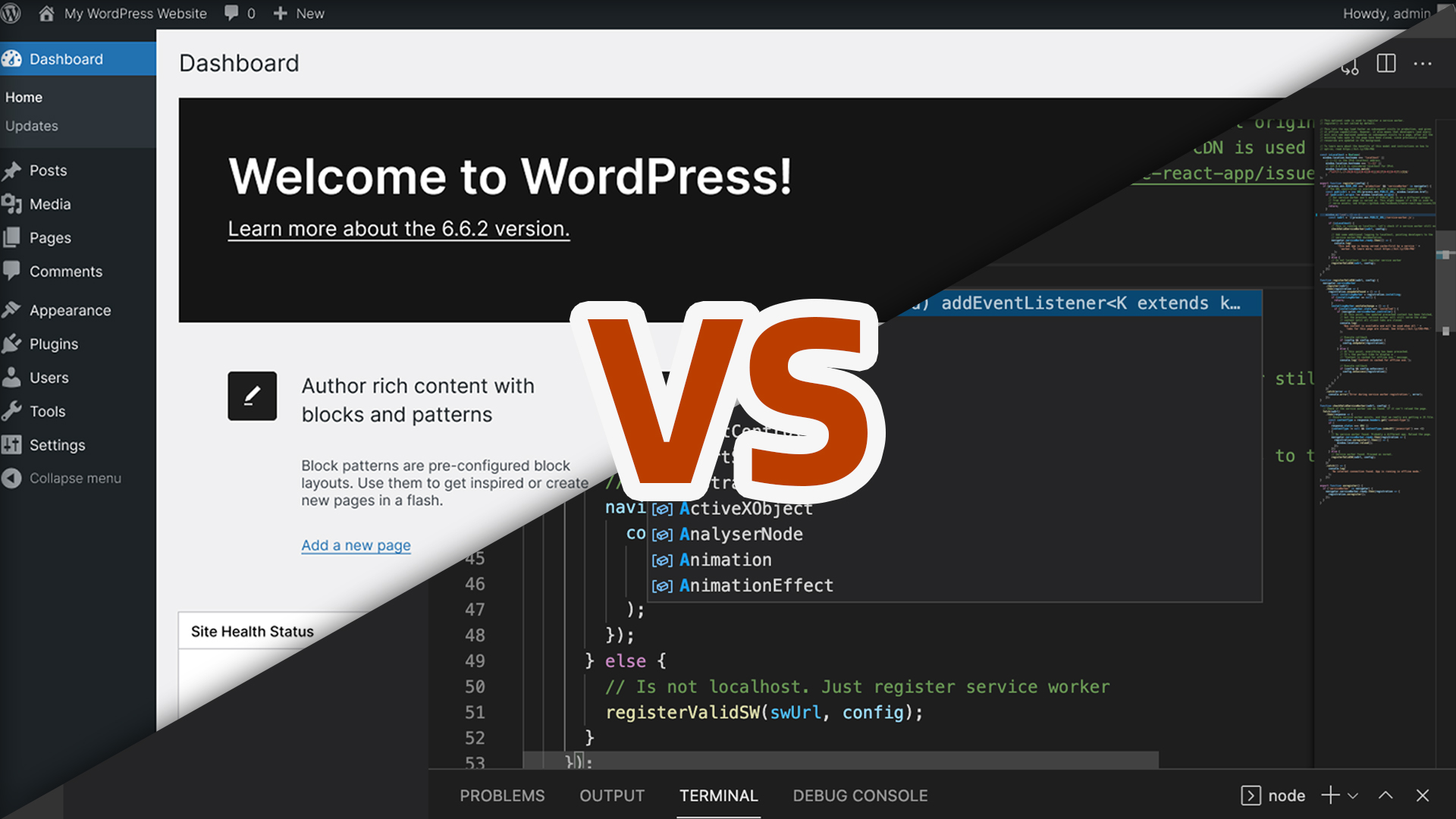
Choosing between WordPress and a static site is one of the first decisions to make when commissioning a new website. Both are valid options, but they suit very different needs. Getting this decision right from the start saves time, money, and a rebuild further down the line.
What is a static site?
A static site is built from plain HTML, CSS, and a small amount of JavaScript. There is no database, no server-side processing, and nothing running in the background. When someone visits your site, the page is delivered exactly as it was built — instantly, with nothing to generate on the fly. The result is a site that loads extremely quickly, has virtually no security vulnerabilities, and costs very little to host.
What is WordPress?
WordPress is a content management system that builds pages dynamically. When a visitor lands on your site, WordPress queries a database and assembles the page before serving it. This adds a small amount of overhead compared to a static site, but it unlocks something a static site cannot offer out of the box — the ability to log in and manage your own content without touching a line of code.
So which one do you need?
The honest answer comes down to one question — do you need to update your own content regularly?
If you run a blog, publish news, manage a menu, list properties, or need a team to update pages without calling a developer, WordPress is the right choice. The editing experience is straightforward, and a well-built WordPress site with a custom theme can still achieve excellent performance scores despite the added complexity.
If your site is essentially a fixed online presence — a brochure site, a portfolio, a landing page — and the content rarely changes, a static site is almost always the better option. It will load faster, cost less to host, and have a smaller attack surface from a security standpoint. Updates can be handled by a developer when needed without the ongoing maintenance overhead that comes with WordPress.
A few practical examples
A restaurant that updates its menu seasonally and wants to manage bookings — WordPress. A plumber who needs a clean, fast site with a contact form and five pages that never change — static. A growing business with a team that publishes regular blog content — WordPress. A freelancer with a portfolio site they update twice a year — static.
The bottom line
Neither option is universally better. The right choice depends entirely on how you run your business and how much control you need over your content day to day. Both can be built to a high standard and both can perform exceptionally well in Google when built properly.
Not sure which is right for your situation? Get in touch and we can talk it through.