Insights
Hand-coded vs Template Built — What is the Difference?
When someone quotes you £200 for a website and someone else quotes you £2,000, it can be hard to understand what you are actually paying for. The answer almost always comes down to one thing: whether the site is hand-coded from scratch or built on a template. Here is what that distinction actually means and why it matters for your business.
What is a template built website?
A template built website starts life as someone else’s design. Platforms like Wix, Squarespace, and WordPress theme marketplaces offer thousands of pre-built templates that can be purchased, installed, and customised with your own content, colours, and logo. The appeal is obvious — they are fast to set up, relatively cheap, and require no technical knowledge to get started.
The problem is that a template is designed to work for everyone, which means it is optimised for no one. It ships with code for features you will never use, styling for layouts you will never need, and compromises baked in at every level to accommodate the widest possible range of users. That overhead has consequences. Template sites tend to load slowly, score poorly on performance audits, and look similar to thousands of other sites using the same starting point.
What is a hand-coded website?
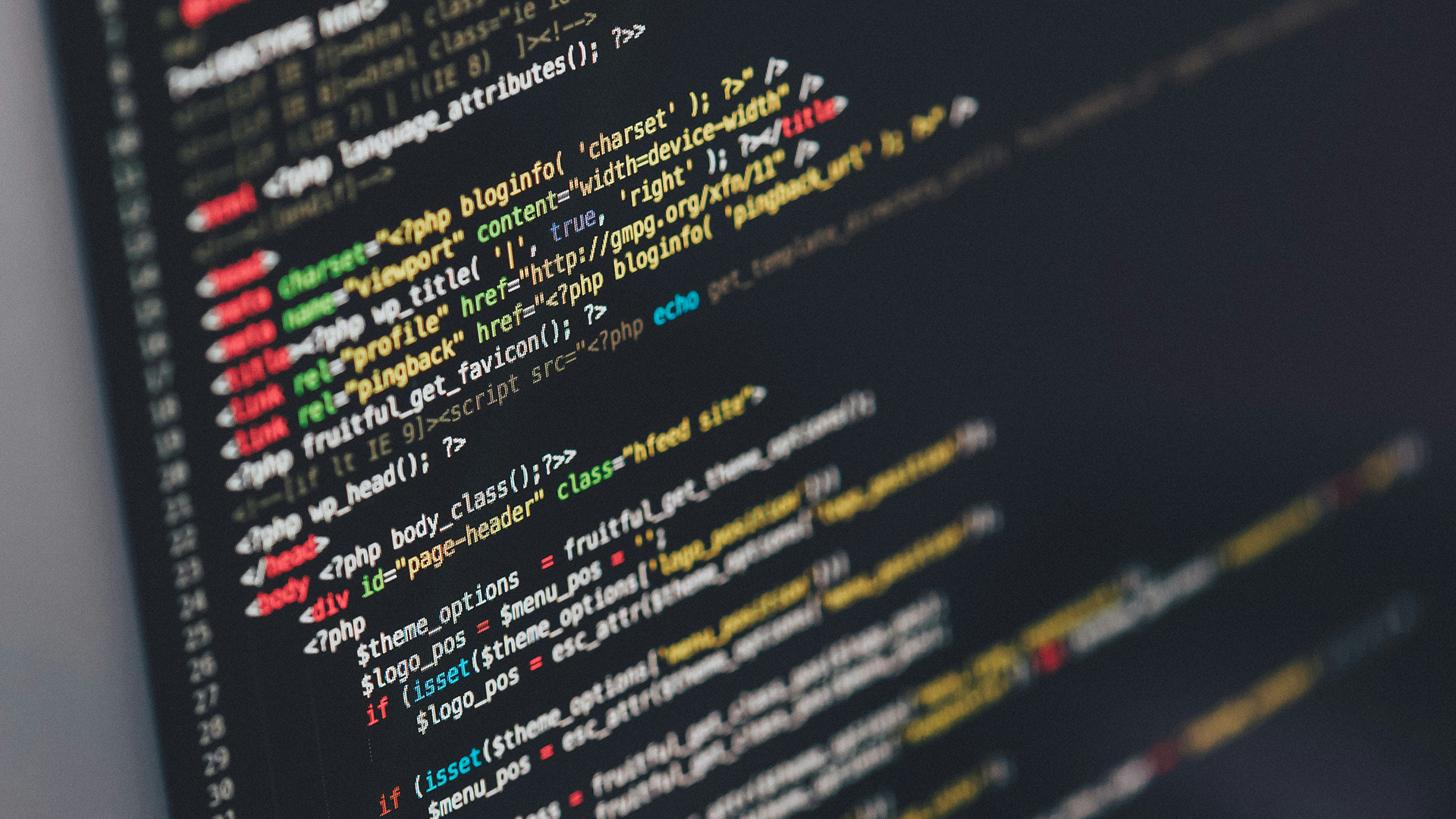
A hand-coded website is built from a blank file. Every line of HTML, CSS, and JavaScript is written specifically for that project with no inherited baggage from a theme or template. The structure, the design, and the functionality are all purpose-built around what the site actually needs to do.
This approach takes longer and requires genuine skill, which is why it costs more. But the result is a site that contains only what it needs, loads faster as a result, and performs better in Google because there is no unnecessary weight dragging it down.
Why does it matter for performance?
Google measures how quickly your site loads and uses that as a ranking signal. A template site carrying megabytes of unused code will always be at a disadvantage compared to a hand-coded site that has been built lean from the ground up. The difference shows up clearly in tools like Google PageSpeed Insights, where hand-coded sites consistently outperform template built ones on performance scores.
For a small business that relies on Google to bring in enquiries, that performance gap translates directly into fewer people finding your site and fewer of those people staying long enough to get in touch.
Do templates ever make sense?
Honestly, yes. For a very early stage business that needs something live quickly and cheaply while it finds its feet, a template site is a perfectly reasonable starting point. The mistake is treating it as a long term solution. As a business grows and its website becomes a more important part of how it wins customers, the limitations of a template become increasingly costly.
What should you look for?
If you are commissioning a website and want to know whether it will be hand-coded or template built, ask directly. Ask whether they use page builders like Elementor or Divi. Ask what their typical Lighthouse scores look like on completed projects. Ask whether the theme is custom built or purchased. The answers will tell you everything you need to know about what you are actually buying.
A hand-coded site built properly is an investment that pays for itself over time through better rankings, faster load times, and a site that accurately represents your business rather than one that looks like it came off a shelf.
If you want to know what a hand-coded site would look like for your business, get in touch. There is no commitment required, just a straightforward conversation about what you need.